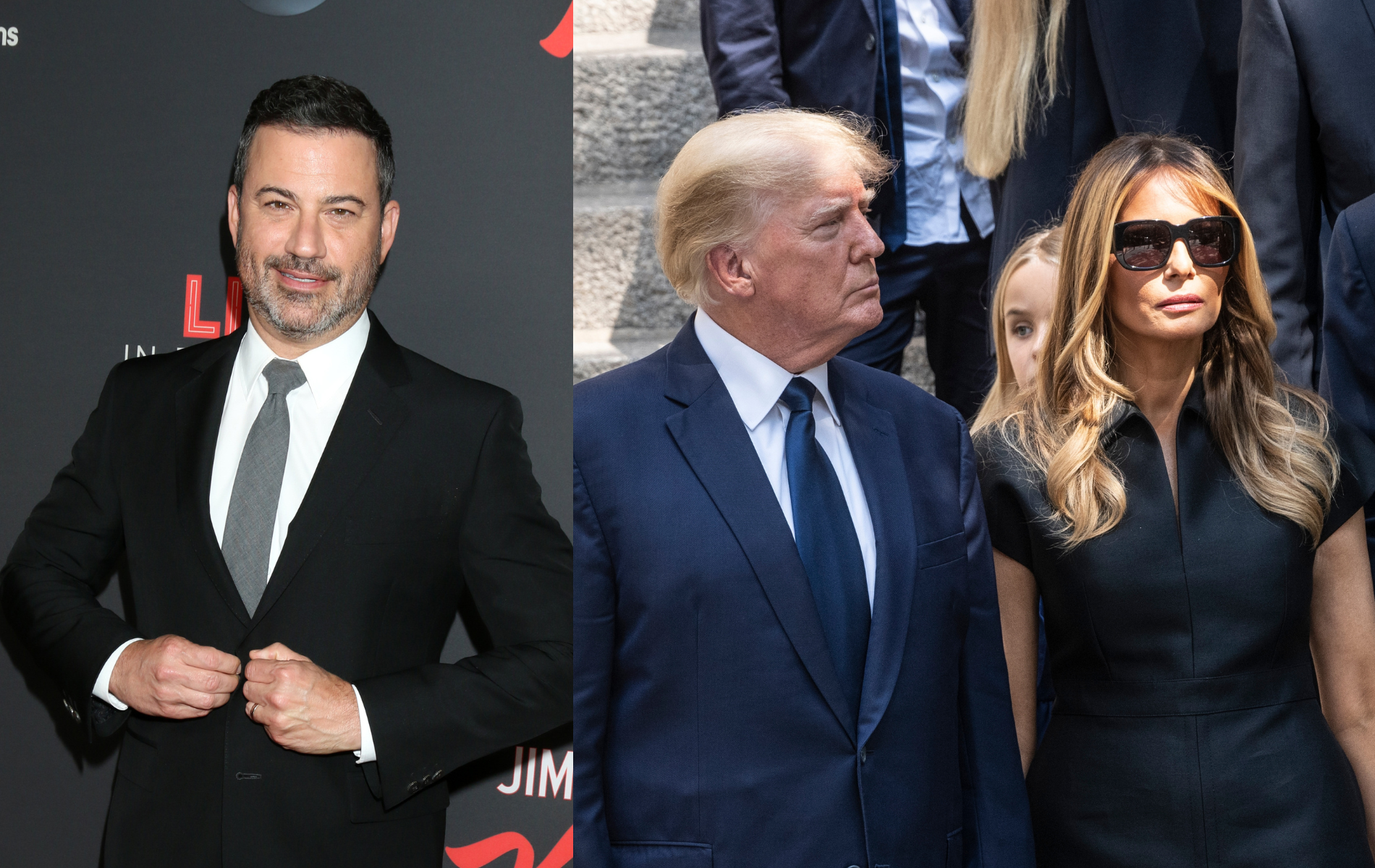
In the wake of a tense and frightening weekend in Washington, late-night host Jimmy Kimmel is striking a more reflective tone following backlash over a controversial joke about First Lady Melania Trump.
During a recent episode of his show, Kimmel addressed criticism surrounding a remark he made days before the White House Correspondents’ Dinner, where he had joked that Melania looked like an “expectant widow.” The comment resurfaced after a shocking attempted shooting disrupted the high-profile event, drawing sharp reactions from political figures and the public alike.
Kimmel defended the intent behind the joke, explaining it was meant as a light roast referencing the age gap between the former president and the First Lady—not as anything sinister. Still, he acknowledged the gravity of the situation that unfolded days later.
“I am sorry that you and everyone in that room went through that,” Kimmel said sincerely, referring to the incident. “Just because no one lost their life doesn’t mean it wasn’t traumatic.”
The comedian also used the moment to reiterate his longstanding stance against gun violence, while recognizing that the experience would have been deeply unsettling for those present, including the First Family.
At the same time, Kimmel didn’t shy away from continuing his political commentary. Responding to Melania Trump’s public criticism—where she labeled his remarks as harmful and called for his dismissal—he pivoted to a broader message about the tone of political discourse in America.
“I agree that hateful and violent rhetoric is something we should reject,” Kimmel said, before adding pointedly that meaningful change should begin “closer to home,” suggesting a conversation within political leadership itself.
The late-night host also reminded viewers of the importance of free speech protections, emphasizing that while disagreements are inevitable, the First Amendment allows for a wide range of expression—including satire and criticism.
The controversy comes amid heightened sensitivity following the attempted attack at the White House Correspondents’ Dinner, where a suspect was apprehended after breaching security. The incident sent shockwaves through the room, filled with journalists, public officials, and entertainers, and prompted renewed conversations about safety and rhetoric.
Kimmel’s monologue blended apology, humor, and critique—a balance he has long maintained in his career. While some critics continue to call for consequences, others see his remarks as part of the broader role comedy plays in political dialogue.
As Washington recovers from the weekend’s events, the moment serves as a reminder of the fine line between humor and impact—and the importance of tone during already volatile times.