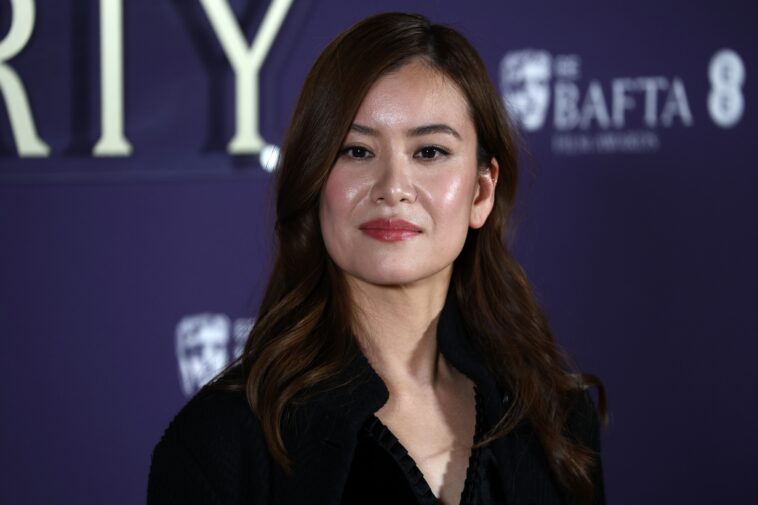
Some roles cling to an actor like glitter after a long night out—persistent, sparkling, and impossible to fully shake off. And then there’s the Harry Potter franchise, a cultural behemoth that imprinted itself on an entire generation. Yet one actress from the saga has stepped forward with a poised, almost regal serenity to say she has no intention of revisiting that chapter of her life. Not now, not soon, perhaps not ever.
Katie Leung speaks of her Potter years with the calm introspection of someone who has finally learned to read her own emotional weather. She was young—achingly young—and the whirlwind of global fame swept her into a world where everyone seemed to know who she was before she had any idea herself. In the interview, she admits she was “too impressionable,” that she “let others decide too much,” and that the experience, while monumental, was not one she wishes to relive. It’s not bitterness; it’s boundaries, delivered with the elegance of someone who has mastered the art of being unbothered.
Leung reflections land like a soft but seismic truth: early fame is not a fairy tale, even when it comes wrapped in magic wands and box‑office triumphs. She acknowledges the gratitude, the opportunities, the surreal privilege of being part of a global phenomenon. But she also recognizes the cost—the pressure, the scrutiny, the sense of being shaped by forces far larger than herself. “I didn’t know how to say no back then,” she confesses, a line that feels less like regret and more like a quiet reclamation.
What makes her stance so captivating is its meticulous restraint. In an era where nostalgia is monetized and every franchise is resurrected like a phoenix on demand, her refusal to participate in the endless revival machine feels almost radical. She is not running from her past; she is simply not beholden to it. She watches the ongoing Potter discourse with a kind of serene detachment, aware of its cultural weight but no longer tethered to its expectations.
And while fans may yearn for reunions, reboots, or even a fleeting cameo, she remains unwavering. Her message is clear, crystalline, and delivered with enviable composure: she has grown, she has evolved, and she has no desire to step back into a role that belonged to a version of herself she has long since outgrown.
In a world obsessed with reliving the past, her refusal is its own kind of magic.