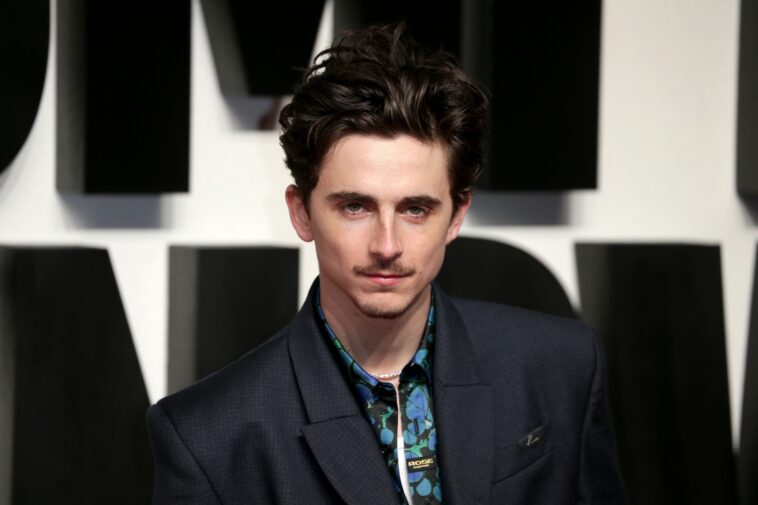
Timothée Chalamet has once again proven that he can trigger a cultural tempest with the gentlest flick of a syllable. During a recent interview, the Oscar‑nominated star offered a seemingly harmless reflection on the audiences that flock to his films, musing that they weren’t exactly the same demographic that frequents opera houses or ballet theaters. It was tossed out casually, like a silk scarf caught in a breeze—light, effortless, and entirely unprepared for the storm it would unleash.
Within hours, the comment had gone viral, ricocheting across social media with the velocity of a scandal engineered in a laboratory. Opera and ballet institutions—those bastions of artistic rigor and velvet‑lined tradition—responded with a fury so exquisitely articulated it bordered on choreography. Directors, dancers, and cultural guardians lined up to defend their audiences, insisting they were far more eclectic, contemporary, and culturally omnivorous than Chalamet’s remark suggested. Their replies carried the emotional cadence of institutions that have spent centuries perfecting the art of composure, yet refused to let this particular moment pass without a meticulously crafted rebuttal.
Chalamet, meanwhile, floated above the discourse with the serene detachment of someone who has mastered the art of being unbothered. While the digital tempest swirled, he continued gliding through awards season with that signature blend of boyish charm and haute‑couture mystique. There was no frantic clarification, no panicked PR intervention—just the quiet confidence of a man who knows that virality is simply the modern tax on charisma.

The entire episode became a masterclass in cultural cross‑pollination: Hollywood’s golden prodigy inadvertently sparring with the guardians of high art. Opera and ballet companies defended their honor with precision, reminding the world that their stages have long been home to rebellion, innovation, and audiences who defy stereotype. Meanwhile, Chalamet’s fans—ever loyal, ever dramatic—insisted he meant no harm, framing the uproar as yet another example of the internet’s talent for transforming a whisper into a Wagnerian crescendo.
In the end, the moment revealed less about Chalamet’s intentions and more about the delicate ecosystem of modern fame, where every utterance becomes a spectacle and every reaction a referendum. And through it all, Timothée remained the picture of poised nonchalance—accidental provocateur, cultural lightning rod, and unintentional conductor of a very operatic uproar.
If opera is grand and ballet is precise, then this moment was pure Chalamet: accidental chaos, delivered with devastating charm.